
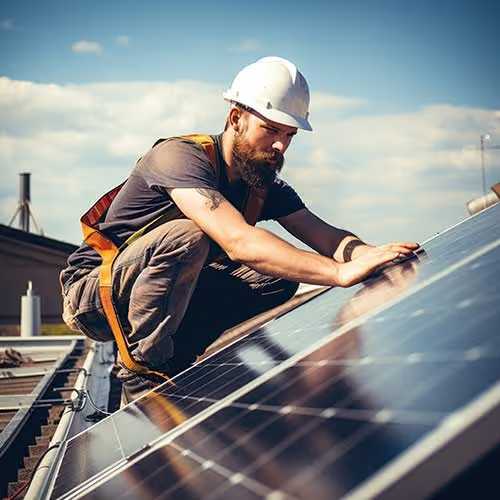
As energy prices continue to fluctuate and the pressure to meet sustainability targets grows, more commercial property owners are turning to solar panels. While the installation is a significant first step, ongoing maintenance is key to maximising return on investment (ROI)—especially in dense urban environments like London and surrounding areas.
So, what does proper maintenance look like? And how can it help you get the most out of your solar investment?
Why Solar Panels Need Regular Maintenance
Solar panels are durable, but they're not maintenance-free. In urban commercial settings, panels face unique challenges:
- Pollution and grime from traffic and surrounding buildings
- Bird droppings, tree debris, and environmental buildup
- Limited access, especially on high-rise rooftops
Over time, this dirt and residue can significantly reduce energy output. Studies show panels can lose 15–20% efficiency without regular cleaning.
The Business Case: ROI Impact
Maintenance isn't just about cleanliness—it's about performance and protecting your investment.
- Clean panels generate more electricity, which means lower energy bills
- Performance monitoring can detect issues early (loose wiring, inverter faults, etc.)
- Preventative maintenance avoids costly repairs and extends panel lifespan
In short, a well-maintained system delivers better payback over its lifecycle.
Urban Challenges & Specialist Access
Cleaning solar panels on a suburban roof is one thing. In the city, it's another matter entirely. Commercial sites often face:
- Difficult access requiring rope access or specialist equipment
- Working at height considerations
- Health and safety requirements for operating in live environments
That's why partnering with a professional solar panel maintenance provider is critical. Look for companies experienced in working on high-rise, flat-roofed, and restricted-access buildings.
What Does Maintenance Typically Include?
A good solar panel maintenance package should cover:
- Scheduled panel cleaning (ideally 2x per year for urban sites)
- System checks and visual inspections
- Performance data monitoring
- Reported faults and minor repairs
- Access equipment and safety management
When Should You Schedule Maintenance?
- Spring and Autumn are ideal times to clean panels and assess performance
- Schedule after major storms or visible soiling (e.g. bird activity, tree fallout)
- Create a regular maintenance calendar to ensure consistency
Conclusion
Installing solar panels is a smart investment—but in commercial urban settings, the job doesn't stop there. Regular maintenance is crucial to safeguarding your system's efficiency, minimising downtime, and ensuring your ROI delivers year after year.
Need help maintaining your commercial solar panels?
SeeForth Services specialises in urban solar panel maintenance, including difficult-access buildings, rope access cleans, and system inspections.
Contact us today to learn how we can help protect your investment and improve energy performance.