
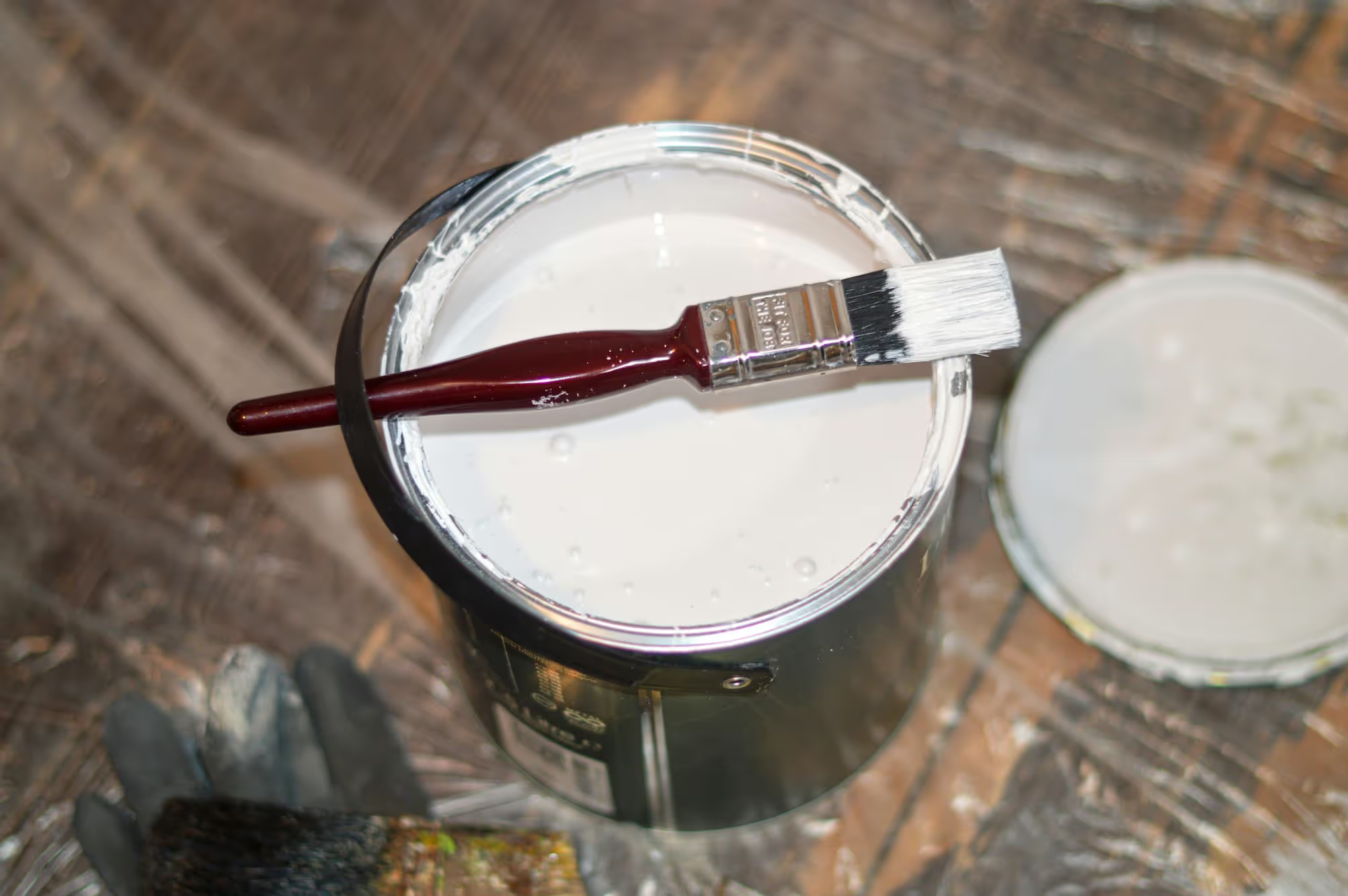
Commercial decorating
Overview
Our commercial painting and decorating service transforms and protects your property inside and out. We deliver high-quality finishes across office spaces, retail units, communal areas, and external façades, always matched to your brand and building.

Enhance appearance
Enhances your property's appearance with clean, professional finishes that leave a lasting impressio

High-traffic areas
Ideal for high-traffic areas needing durable, easy-to-maintain finishes that withstand daily wear and tear.

Best materials
We use the best materials for a long-lasting, high-quality finish that resists fading, peeling, and damage.

Durable finishes
Durable finishes that stand up to daily use, protecting surfaces and reducing the need for frequent repaints.
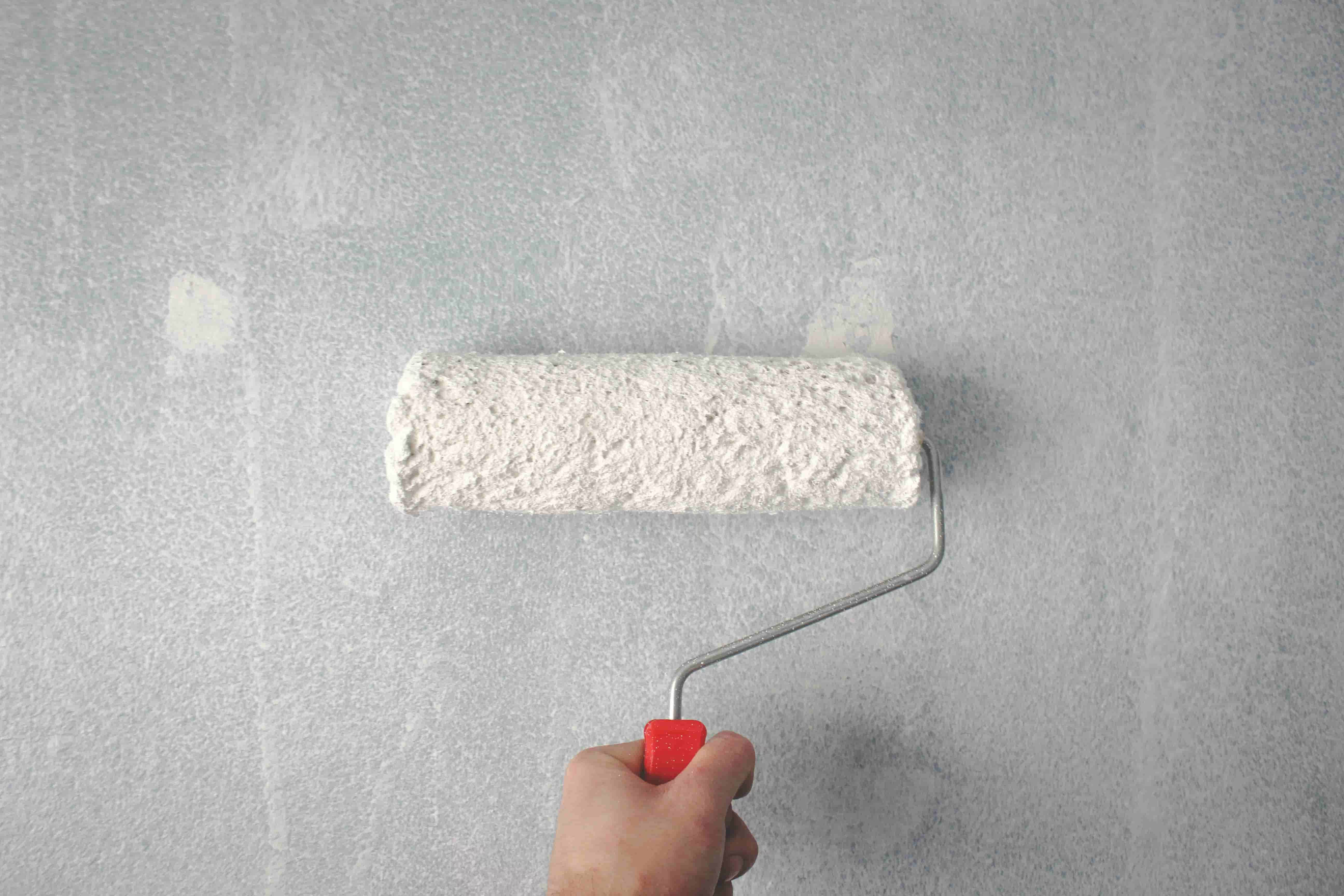
Commercial decorating: the full guide
Paint is the cheapest way to change how a building feels and the first thing a tenant, visitor or prospective buyer notices. It also protects what is underneath. Bare render soaks up water, unpainted steel rusts and scuffed communal corridors make a well-run block look neglected.
This guide covers the decorating work we take on, how a job runs in an occupied building, the standards we work to, what affects the price, and the questions facilities and property managers in London, Essex, Hertfordshire and Cambridge ask us most.
The work we take on
- Communal areas in residential blocks. Entrance halls, stair cores, corridors, lift lobbies and bin stores. These take the most wear and are usually on a fixed redecoration cycle in the lease.
- Offices and retail units. Full redecoration between tenancies, feature walls in brand colours, and repainting after fit-out or repairs.
- External façades. Masonry paint on render and brick, coatings on cladding and metalwork, and repainting fascias, soffits, railings and window frames.
- Work at height. Because our decorators work alongside our rope access and MEWP teams, we can paint façades, high stair cores and atriums without scaffolding.
- Preparation and repairs. Washing down, filling, sanding, priming, minor plaster and render repairs, and sealing before the finish coats go on.
How a job runs
- Survey. We measure the areas, check the condition of the surfaces and agree the colours and finishes with you. Where a brand colour is needed we match it to a paint reference.
- Specification and price. A written specification setting out the preparation, the number of coats, the products and the programme, with a fixed price.
- Programme. In occupied buildings we work floor by floor or in evenings and at weekends, so stairs and corridors stay in use. Low-odour water-based paints are used inside wherever the specification allows.
- Preparation. Surfaces are washed, filled and sanded, and bare or repaired areas primed. Most paint failures come from skipped preparation, so this is where the time goes.
- Finish coats and sign-off. Two finish coats as standard. We walk the job with you at the end and touch up anything you spot.
Standards and safety
- BS 6150:2019. The code of practice for painting of buildings. It covers surface preparation, priming and coating systems for each substrate, and it is the basis of our specifications.
- Fire doors and signage. In communal areas we do not paint over intumescent strips, smoke seals, door closers, fire signage or emergency lighting. Painted-over strips and seals are one of the most common fire door defects found on inspection, and our decorators are briefed on it.
- COSHH and ventilation. Product data sheets are held on site, solvent-based products are only used where the specification requires them, and areas are ventilated while they dry.
- Work at Height Regulations 2005. External and high internal work is planned with a site-specific risk assessment and method statement, using rope access, MEWPs or towers as the job needs.
What affects the price
- Area and number of coats. Priced per square metre of wall, ceiling and joinery, with the number of coats set by the specification.
- Preparation. Sound, previously painted surfaces are quick. Flaking paint, damp staining, cracked render or a change from dark to light colour all add preparation and coats.
- Access. Ground-floor rooms are simple. Stair cores, atriums and façades need towers, platforms or rope access.
- Hours. Evening and weekend working in occupied offices costs more than daytime working in an empty unit.
- Products. Anti-graffiti coatings, high-durability corridor paints and specialist masonry systems cost more per litre than standard emulsion but last longer in the places that get knocked.
When to redecorate
Inside, the signs are scuffed and marked corridors, chipped door frames, grubby skirting and stair strings, and walls that no longer respond to washing. Outside, look for chalking, where paint leaves a powder on your hand, flaking on sills and fascias, hairline cracks in render and green staining below leaking gutters. External paint that has started to fail lets water into the substrate, and the repair bill grows the longer it is left.
Many leases and management agreements set a redecoration cycle. Where they do not, a walk round the building with us once a year is enough to plan the next programme and budget for it.
Where we work
We decorate offices, retail units, residential blocks and student accommodation across Greater London, Essex, Hertfordshire and Cambridge. Managing agents often combine an external redecoration with a window clean or gutter clearance so the building is finished in one programme.
Commercial decorating questions
Can you decorate while the building is occupied?
Yes. Most of our work is in occupied buildings. We work floor by floor, or in evenings and at weekends, keep escape routes clear, and use low-odour paints inside wherever the specification allows.
How often should communal areas be redecorated?
Many leases set the cycle. Internal communal areas every five to seven years and external surfaces every three to five years are common, with high-traffic corridors touched up between cycles.
Can you paint the outside of a tall building without scaffolding?
Yes. Façades, high stair cores and atriums are painted by rope access from tested anchors or from a MEWP. That removes the cost and the weeks of a scaffold.
Can you match our brand colours?
Yes. Give us the colour reference and we will match it to a paint system suitable for the surface, and supply a sample for approval before the job starts.
What preparation do you do?
Washing down, filling, sanding and priming, plus minor plaster and render repairs where needed. Preparation is set out in the specification so you can see what is included.
Do you paint fire doors?
We paint the door leaf and frame in line with the manufacturer's guidance. We never paint over intumescent strips, smoke seals, closers or signage, because that can stop the door doing its job in a fire.
Do you provide risk assessments and method statements?
Yes. A site-specific risk assessment and method statement is issued before every job, along with product data sheets for the paints used.
Delivering high standards, safely
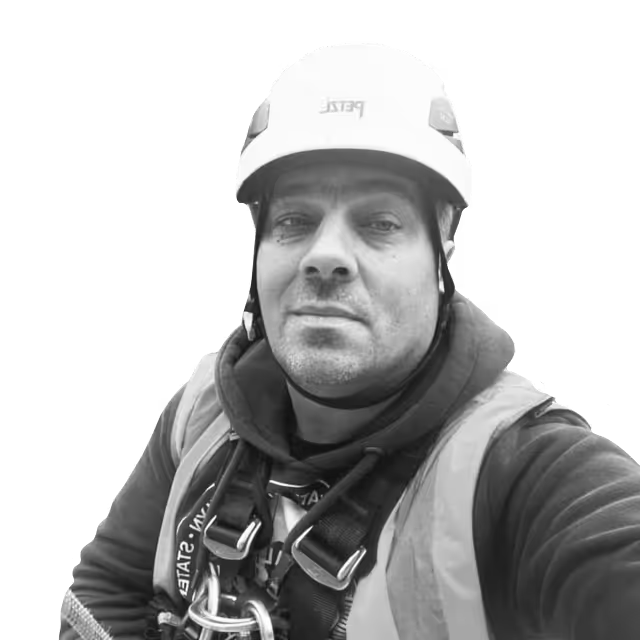
Meet Norbert, a seasoned IRATA Level 3 Supervisor with nearly 20 years' experience leading complex rope access operations
Norbert is an IRATA Level 3 Supervisor with nearly 20 years in rope access across Europe and the Middle East. He has led work on 75-storey buildings, iconic bridges, wind farms, oil and gas platforms and lighthouses. Calm, organised and resilient, he delivers safely on some of the world's most challenging sites.







Rated excellent for communication by a student accommodation client

"Good comms, great team."
Contact us about your property
Let us know which of our specialist cleaning or maintenance solutions you need.